
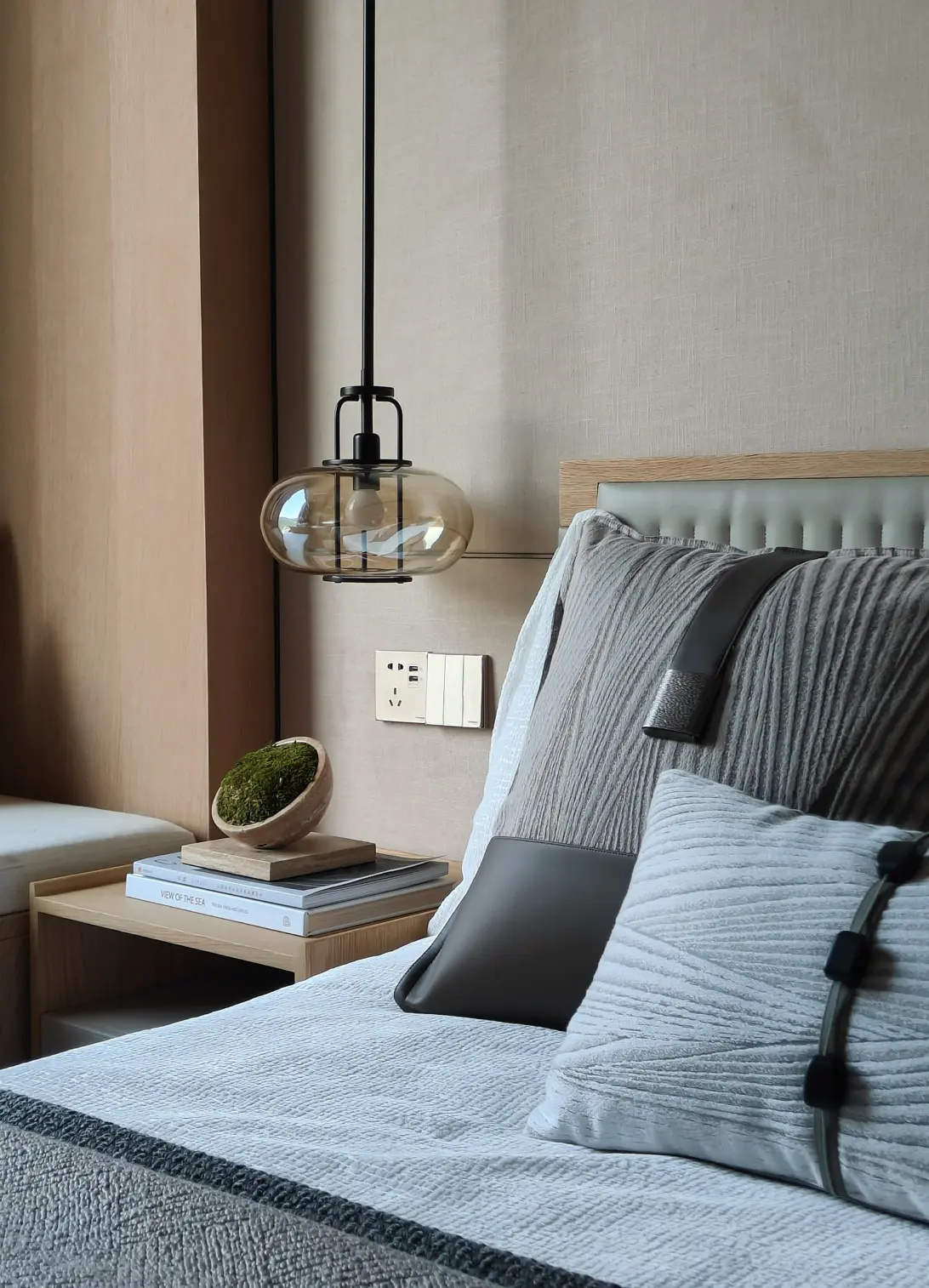
A hotel room speaks before anyone does. The moment a guest pulls back the covers, the texture of what they find tells them everything about where they are, how much they are valued, and whether rest will truly be possible here.
Hotel textiles are rarely the first investment a property considers. Furniture, lighting, and architecture dominate the briefing room. Yet study after study in hospitality research confirms the same finding: guests remember the bed. Not the lobby artwork. Not the amenities basket. The bed — and specifically, what it felt like to sleep in it.
This is the quiet power of conscious textile design. It operates below the threshold of deliberate attention but determines the depth of a guest’s loyalty more reliably than almost anything else a property can control.
The Challenge: Selecting for Sensation
Hotels sourcing bedding for the first time — or rethinking an aging inventory — often approach the brief too technically. Thread count, fill weight, GSM ratings. These numbers matter, but they are proxies for the thing that actually counts: how the textile feels against skin that has traveled, stressed, and arrived hoping to recover.
The client turned to O Boutique with a clear goal: to replace their standard-issue polyester-cotton blend across 48 rooms with something that felt deliberately chosen. They envisioned a sleeping environment that felt calm, cool, and quietly premium — without the stiffness that often accompanies high-thread-count percale or the too-casual feel of a basic muslin.
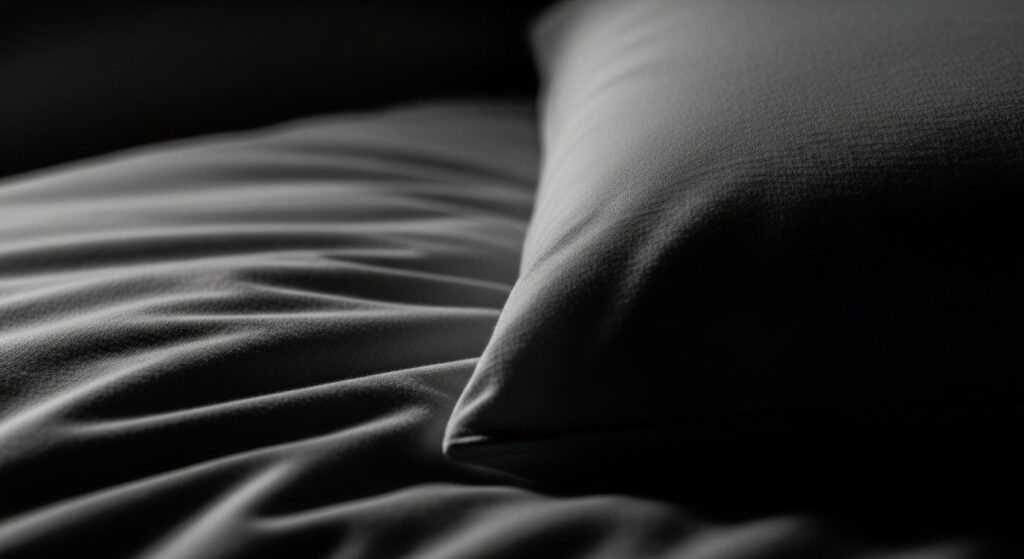
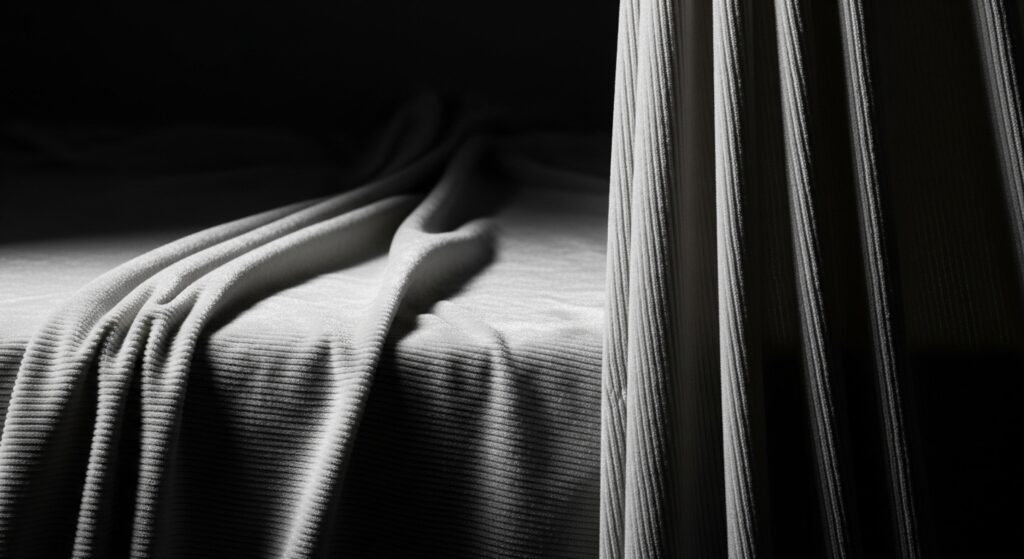
Except for the existing mattresses and built-in headboards, every element of the sleep surface was open for reimagining. This gave the project scope for a thoughtful, complete redesign — duvet covers, pillowcases, flat sheets, mattress protectors, and the all-important bed runner that anchors the visual composition of the room.
Initial Approach: Finding the Right Material
Once the brief was established, O Boutique’s hospitality consultants matched the property with two material directions: a long-staple Egyptian cotton percale and a stonewashed European linen. Each material carried a different sensory signature. The contrast between their touch and drape was subtle but meaningful, offering the client two compelling directions for their bedroom textile design.
The cotton leaned into crispness and precision — bright white, tight weave, with the cool smoothness associated with classic luxury hospitality. The linen proposal moved in a quieter direction: softer in mood, warmer in tone, with a slight texture that read as lived-in without sacrificing cleanliness.
Results Revealed: Bedroom Textile Design
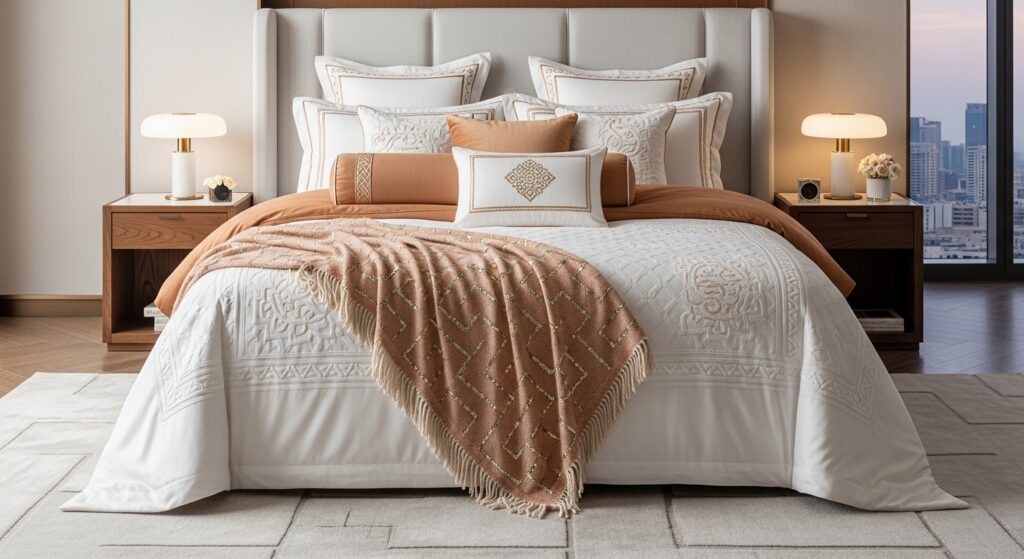
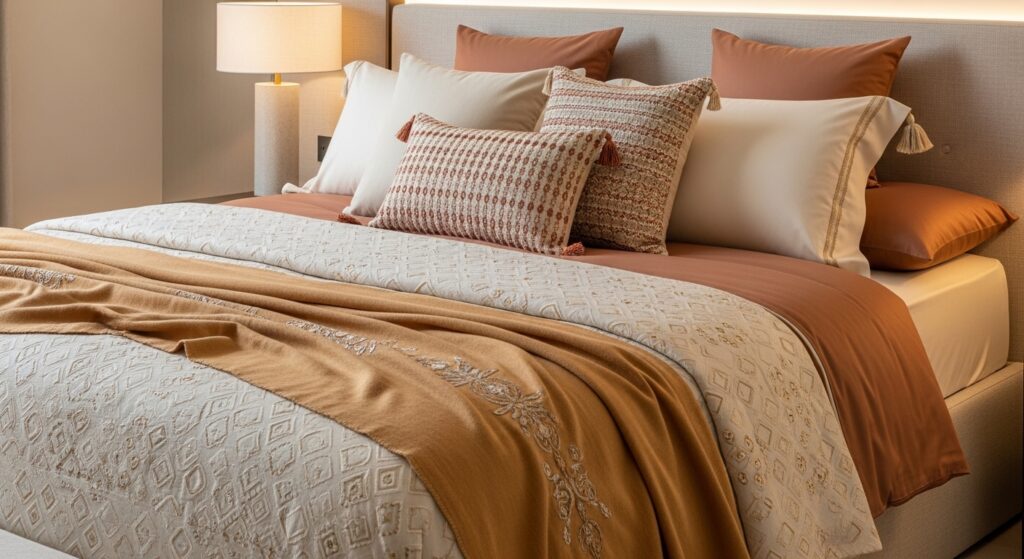
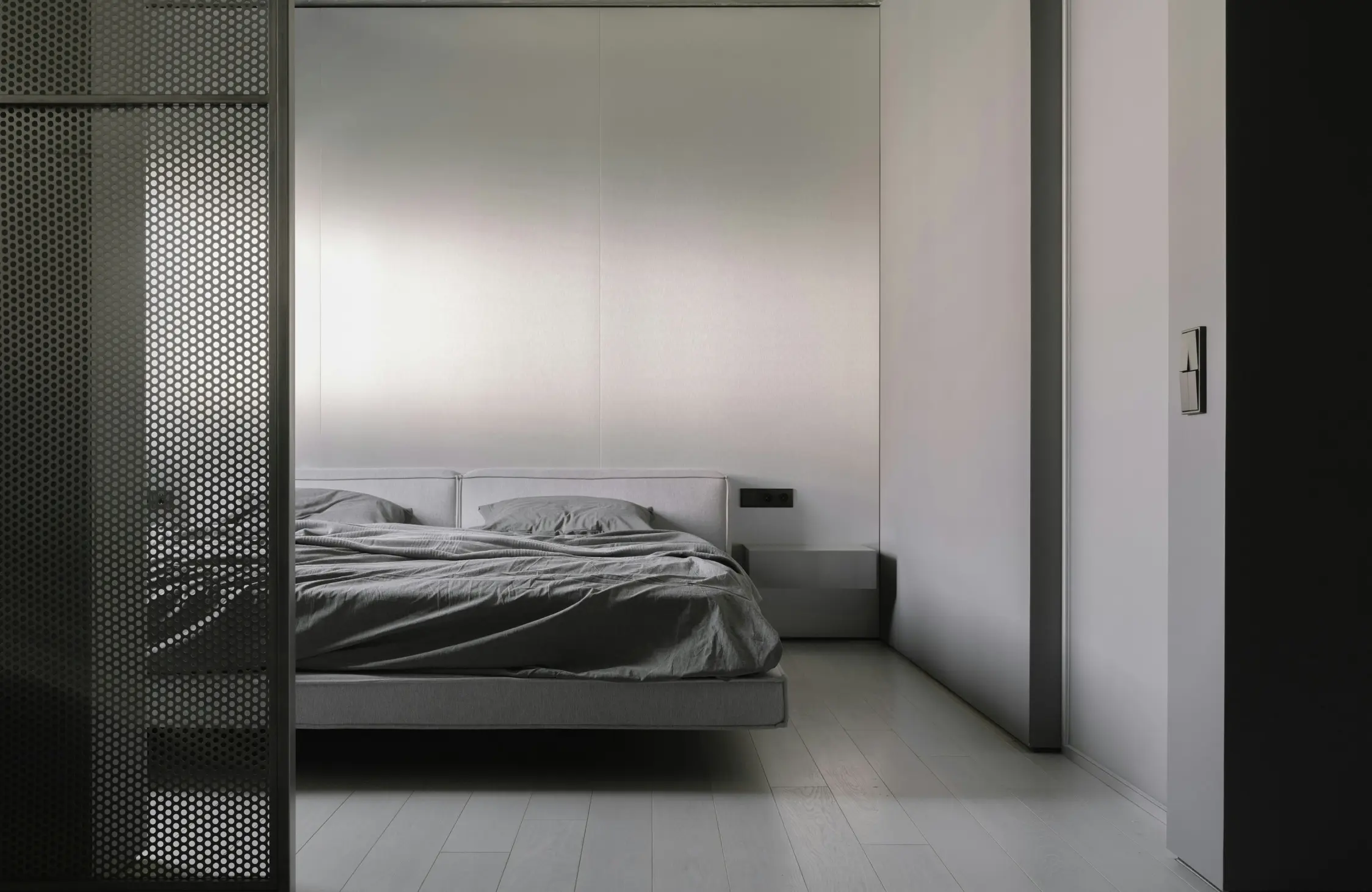
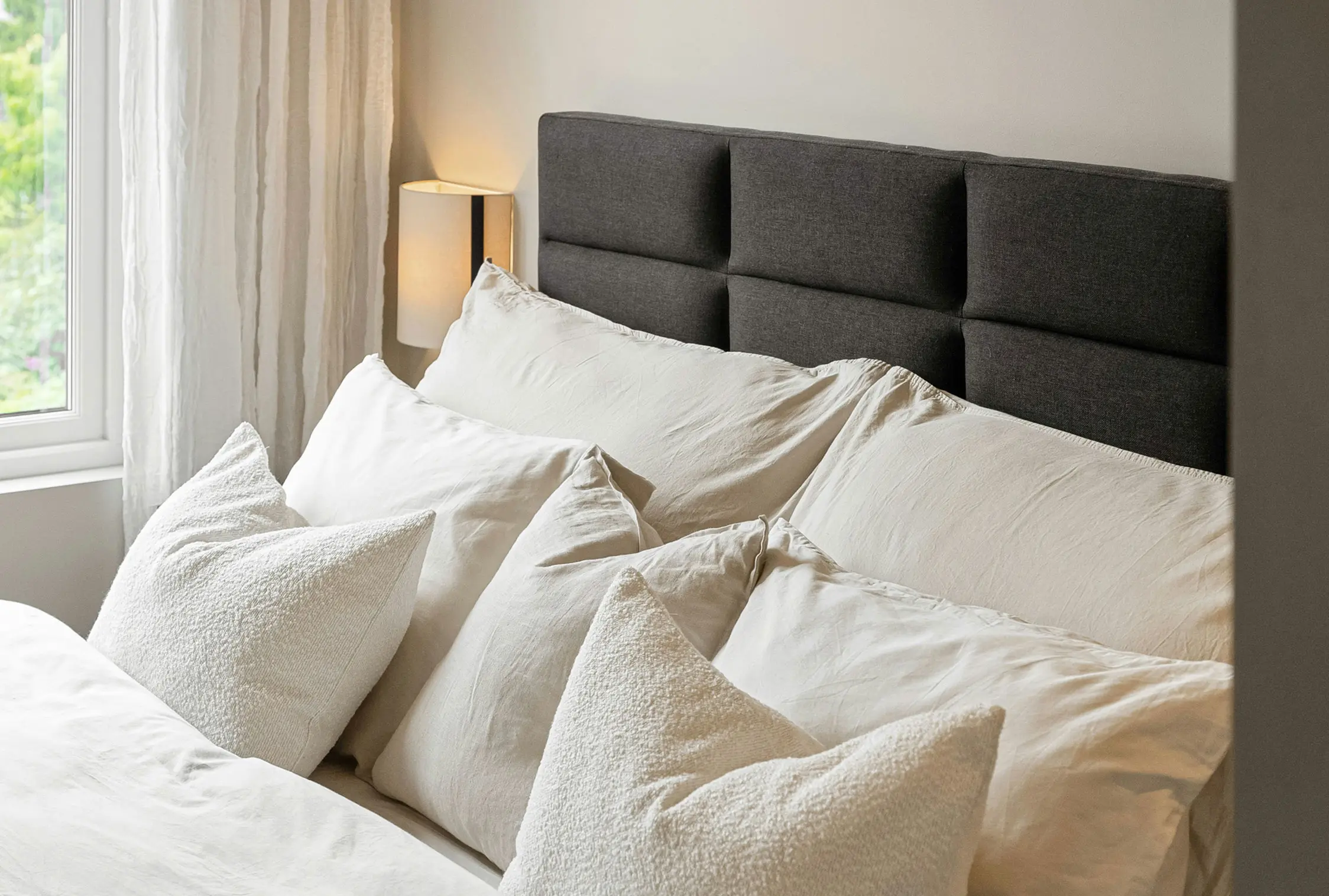
The final selection delivers a controlled softness. Every element of the sleep surface works in the same tonal register — undyed natural linen, muted warm whites, and a barely-there stone grey for the bed runner. Visually, the shift from the original setup is significant. The previous bedding added noise to a room trying to feel serene: bright white against warm wood tones, polyester shimmer in diffused lighting. Now, the surface reads as one quiet, composed plane.
The duvet cover sits low and unstructured, which is precisely the point. In a room with a low platform bed and warm pendant lighting, volume in the bedding would tip the mood from restful into theatrical. The linen drapes rather than poofs. The pillows follow — two sleeping pillows in the same linen, two Euro squares in a slightly coarser weave that adds depth without contrast.
The bed runner defines the foot of the sleeping area and transitions the eye from linen to floor without a hard stop. Two narrow cushions continue the texture story in a slightly compressed scale. By using a flat-woven herringbone instead of a deep pile, the designer maintained a clean visual plane and a lightweight mood throughout the room.
"Working with O Boutique was transformative. Guests now regularly mention the bedding in their reviews — not as a detail, but as a reason they felt taken care of."
Mehdi A., General Manager, Boutique Property, Hammamet Tweet
Blending Function with Craft
The absence of excessive pattern is deliberate. Decorative elements are kept minimal: a single self-stripe woven into the pillowcase hem, a subtle contrast stitch on the duvet border. The room isn’t trying to suggest a lifestyle. It’s a functioning sleep environment dressed as one. And that is precisely what makes it work.
Linen also solves the practical challenges of hotel laundry cycles in ways that many hospitality buyers overlook. Its tensile strength improves with washing rather than degrading. Temperature regulation properties mean it stays comfortable across a wide range of climates — important in properties without consistent room cooling. The material ages toward softness rather than pilling or thinning.
Ultimately, the chosen collection found its strength in restraint. Balance and sensory calm dominate the relaxing bedroom design — not as aesthetic choices imposed from outside, but as the natural consequence of materials selected for what they feel like to inhabit.
I look forward to seeing how these developments will improve service levels and customer satisfaction in the freight industry!